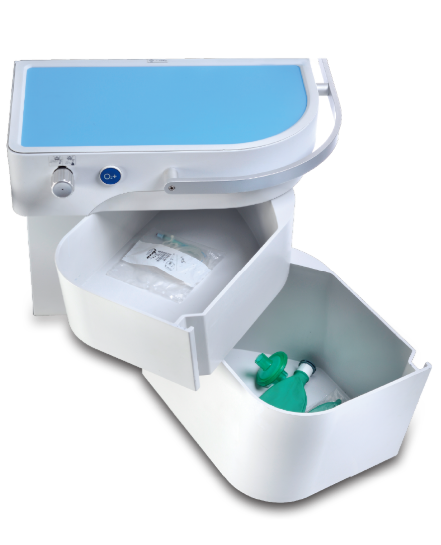
Precision in the operating theatre relies on the seamless integration of pharmaceutical administration and physiological monitoring. When a patient undergoes a complex procedure, an anaesthesia apparatus acts as the primary system for maintaining a stable state of unconsciousness and pain relief. These devices are engineered to deliver a meticulously balanced mixture of medical gases and volatile anaesthetic agents. By providing consistent respiratory support and volatile control, the equipment ensures that the surgical team can perform their tasks without the patient experiencing physical distress or awareness. The ability to fine-tune these parameters in real-time is what makes such technology indispensable for modern perioperative care.
Maintaining Physiological Homeostasis
Stability during surgery is achieved through the constant regulation provided by a modern anesthesia machine. These machines are equipped with advanced ventilators that take over the patient’s breathing, ensuring adequate oxygenation even when natural respiratory functions are suppressed by medication. This hardware monitors carbon dioxide levels and airway pressures to prevent barotrauma or oxygen desaturation. By utilizing high-precision flowmeters and vaporizers, the system maintains a steady concentration of anesthetic vapor in the breathing circuit. This constant oversight allows the clinical staff to maintain the patient’s vital signs within a safe range throughout the entire duration of the operation.
Ensuring Patient Safety Through Monitoring
Integration of comprehensive monitoring tools within the anaesthesia apparatus provides a critical safety net for every surgical intervention. They feature high-definition displays that track hemodynamic parameters, including heart rate, blood pressure, and oxygen saturation. If any physiological deviation occurs, the system triggers immediate alerts, allowing the anaesthesiologist to intervene before the situation becomes critical. These units also include fail-safe mechanisms, such as oxygen failure alarms and nitrous oxide cut-off valves, to prevent the delivery of hypoxic gas mixtures. Such rigorous safety protocols are essential for minimizing risks associated with general anaesthesia in diverse patient populations.
Optimizing Workflow and Clinical Efficiency
Efficiency in high-pressure medical environments is significantly improved when an anesthesia machine offers an intuitive interface and modular design. They allow for rapid setup and self-testing procedures, which reduce the time required between surgical cases. With the inclusion of digital data recording, the clinical team can easily export patient records and maintenance logs for administrative review. The ergonomic layout of the AX-Series ensures that all controls are within easy reach, allowing the practitioner to focus entirely on the patient’s condition. These logistical advantages contribute to a smoother workflow within the surgical suite and support better clinical outcomes through streamlined operation.
The necessity of advanced gas delivery systems in the surgical environment cannot be overstated, as they form the foundation of patient survival and comfort. Through the development of the AX-Series, COMEN provides healthcare facilities with reliable tools that manage the complexities of volatile agent delivery and ventilation. These devices are designed to meet the rigorous demands of modern medicine, ensuring that every procedure is conducted with the highest level of technical accuracy. Consistent performance and integrated safety features make these systems a vital component of any operating room.
