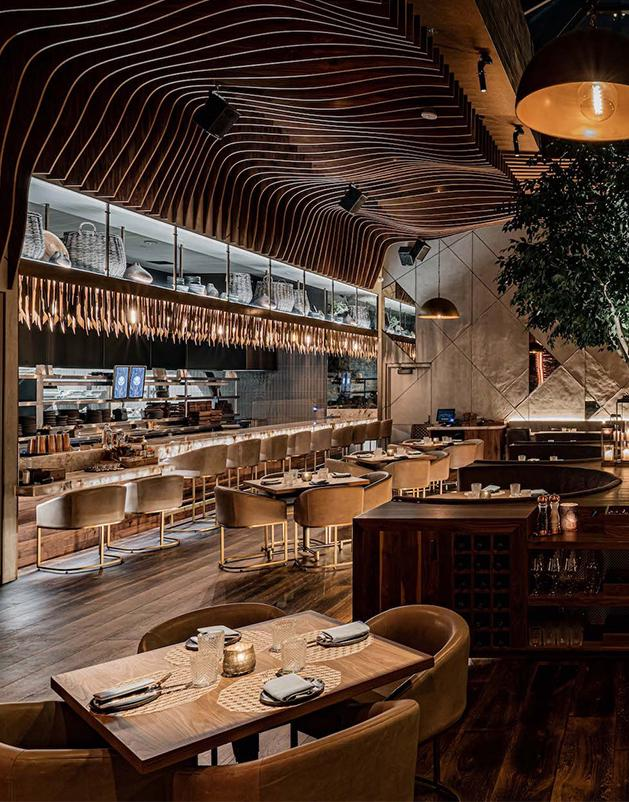
Hotel developers often face the thorny reality that a newly opened restaurant may have a stunning visual impact, but within months, wobbly chairs and stained fabrics begin to damage the customer experience. Overemphasizing aesthetics at the expense of commercial durability often leads to costly premature replacements. These common realities reflect some easily overlooked considerations in high-end venue furniture procurement.
To create truly sophisticated dining spaces, furniture must withstand frequent daily use while maintaining its intended aesthetic quality. Addressing this challenge requires structural engineering assessments before selecting the final finish. Collaborative planning between interior designers and experienced manufacturers helps reduce the risk of premature furniture wear and tear.
Engaging specialists like BFP Furniture equips hotel‑project stakeholders with tools to strike a better balance within interior design work. Experienced suppliers understand that commercial-grade manufacturing quality is a crucial foundation for many successful restaurant interior projects. This emphasis on fundamental structural quality enables the realization of creative aesthetic visions without sacrificing the stability required for commercial use.
Engineering Structural Resilience
The framework of a dining chair often dictates its lifespan within a high-traffic environment. Solid, kiln-dried hardwoods or reinforced metal alloys provide a stable base that resists the constant shifting and weight transfer inherent in daily service. Specifying high-density, fire-retardant foam also supports long-term shape retention.
Reinforcing joinery with heavy-duty brackets and industrial adhesives helps prevent the loosening that commonly afflicts inferior products. These hidden structural details contribute significantly to the overall stability of the piece. Investing in robust internal architecture helps operators avoid disruptive maintenance issues during peak dining hours.
Strategic Upholstery and Surface Selections
Fabric selection plays a pivotal role in maintaining the sophisticated atmosphere of a venue. Spills and frequent cleaning protocols demand materials that offer high abrasion resistance and effective stain-repellent properties. Commercial-grade vinyl or treated performance fabrics often provide the necessary resilience for busy dining rooms.
Selecting appropriate textiles for luxury restaurant furniture helps sustain the initial design intent throughout the establishment’s operational life. Darker palettes or intricate patterns can also aid in masking minor wear between scheduled deep cleanings. These strategic choices support a consistently polished appearance.
Table surfaces require similar attention to durability and maintenance. Solid wood tops benefit from commercial-grade, moisture-resistant varnishes that help protect against water rings and scratching. Alternatively, engineered quartz or treated stone surfaces offer a non-porous option that supports rigorous sanitation standards while projecting a premium aesthetic.
Acoustic Management and Sensory Integration
The auditory landscape of a dining venue significantly shapes the patron’s perception of the space. Hard surfaces, while visually striking, often reflect sound waves and amplify background chatter. Integrating upholstered panels and fabric-backed banquettes helps mitigate this acoustic bounce.
Thoughtful material selection aids in softening the ambient noise, making conversations easier for guests. Designers sometimes incorporate sound-absorbing foam beneath table surfaces to further reduce clatter from silverware and plates. Such understated design elements cultivate a refined, restful space for diners.
Spatial Configuration and Ergonomic Support
A successful interior layout balances maximum seating capacity with the need for patron privacy and smooth service flow. Strategic placement of banquettes and freestanding tables helps create distinct zones within a larger room. Adequate spacing between these elements allows staff to navigate the floor efficiently.
Physical comfort directly influences how guests perceive their culinary experience. Ergonomic considerations, such as appropriate seat height, backrest pitch, and armrest positioning, help reduce fatigue during prolonged, multi-course meals. Providing adequate lumbar support encourages patrons to relax and potentially extend their stay.
Developing physical mock-ups allows stakeholders to evaluate these ergonomic factors before authorizing mass production. This proactive testing phase helps identify necessary adjustments early in the procurement cycle. Refining these details supports a more accommodating environment for a diverse range of diners.
Adapting to Diverse Dining Formats
Many upscale venues incorporate varied seating zones to cater to different guest experiences. The main dining hall might feature open, modular tables that easily reconfigure for varying party sizes. Thanks to this adaptable setup, operators can manage varying reservation numbers and reconfigure layouts when unexpected changes arise.
Conversely, private dining rooms require a different approach, often favoring large, monolithic tables and heavy, high-backed chairs. These secluded spaces aim to foster intimacy and exclusivity for corporate events or private celebrations. Tailoring the fixtures to these specific zones helps diversify the venue’s operational capabilities.
Coordinating Bespoke Fabrication Schedules
Producing tailored fixtures for a large hospitality project involves intricate logistical planning. Coordinating timelines between millwork fabrication, upholstery sourcing, and final assembly requires careful oversight. Delays in one component can easily disrupt the overarching installation schedule for the entire venue.
Consolidating these responsibilities through a capable manufacturing partner helps streamline communication. A unified production strategy reduces the administrative burden on procurement teams and supports better quality control across different material categories. With all production managed under one roof, hand offs between factory output and on site delivery run far more predictably.
Aligning Furniture with Venue Brand Identity
Beyond materials and acoustic performance, high-end restaurant furniture also embodies significant brand value for hotel projects. Carefully selected furniture translates the restaurant’s dining philosophy into a tangible, perceptible environment.
Custom-designed furniture, adapted for long-term commercial use, maintains consistency in brand expression even under frequent daily use.
