Deploying connected technologies across modern manufacturing plants requires careful coordination between hardware sensors, network gateways, and enterprise cloud platforms. Industrial operators increasingly seek reliable ways to monitor machinery health, optimize production workflows, and reduce unexpected equipment downtime in competitive global markets. Building these smart systems demands robust foundational planning from the earliest design stages onward to avoid costly revisions later in the development lifecycle.
Modern hardware innovation relies heavily on seamless integration between physical sensors and cloud analytics to deliver maximum operational value. Building these connected ecosystems demands robust hardware architectures that can withstand harsh factory floors while transmitting telemetry data securely across enterprise networks. Technical teams must evaluate environmental factors before finalizing circuit board schematics.
Working with experienced original equipment manufacturers helps businesses transform complex industrial concepts into dependable hardware products ready for deployment. Strategic collaboration ensures that hardware developers maintain high reliability standards while scaling innovative solutions for global industrial automation sectors without operational delays. Engaging early with specialized partners streamlines material procurement and manufacturing workflows significantly.
Choosing Hardware For Industrial Environments
Sensors form the foundational layer of any connected infrastructure by capturing vital operational metrics like temperature, vibration, and pressure parameters. Industrial environments expose electronic components to extreme temperatures, moisture, and electromagnetic interference that can disrupt normal device operations during daily use cycles. Selecting ruggedized housings protects sensitive circuits from environmental degradation while ensuring consistent signal transmission across active factory floors.
Selecting ruggedized enclosures and industrial grade components ensures that sensing devices maintain measurement accuracy over extended operational lifecycles without frequent maintenance interventions. Engineering teams must evaluate physical constraints carefully before finalizing printed circuit board layouts for harsh working settings in modern facilities. Proper component placement minimizes electrical noise interference across internal signal pathways.
Utilizing professional turnkey manufacturing solutions allows hardware developers to streamline component sourcing and housing fabrication under one unified roof. Experienced production partners help identify reliable semiconductor suppliers and optimize mechanical tolerances to prevent premature structural failure in the field. This collaborative approach minimizes logistical friction and accelerates transition timelines.
Managing Data Flow Through Network Gateways
Once sensors collect raw operational data, edge gateways aggregate these inputs and translate local communication protocols into standard cloud compatible formats. Gateways act as critical communication bridges between factory floor machinery and remote enterprise servers, ensuring secure data transmission across complex network infrastructures. Processing data locally reduces bandwidth congestion and latency concerns while improving overall system responsiveness during peak production hours.
Designing these routing units requires balancing processing power with energy efficiency to prevent overheating during continuous operation cycles under demanding factory conditions. Implementing effective industrial iot solutions often involves configuring specialized communication modules that support wireless or local mesh networks. Hardware architects must plan antenna placement meticulously to avoid signal loss.
Hardware architects must plan antenna placement meticulously to avoid signal attenuation caused by heavy metallic machinery and concrete walls. Thorough testing during pilot runs helps verify that gateway devices maintain stable connectivity under fluctuating network loads across active industrial plants. Establishing robust network pathways guarantees continuous data visibility for plant managers.
Integrating Cloud Platforms For Operational Insight
Raw telemetry data gathered by edge devices must be routed smoothly to cloud platforms where advanced analytics generate actionable operational insights. Enterprise software dashboards display real time machinery metrics, enabling maintenance teams to schedule preventive repairs before unexpected equipment failures occur. Cloud connectivity transforms isolated data points into strategic business intelligence that supports long-term operational excellence.
Establishing secure communication pipelines protects sensitive operational data from unauthorized access or interception during transit across external enterprise networks. Software integration requires close coordination between application developers and hardware engineers to ensure seamless data parsing and protocol compatibility across diverse device ecosystems. Rigorous testing protocols validate end to end data security measures.
Testing end to end communication paths helps identify potential latency issues or packet loss before systems are deployed across active factory floors. Robust cloud integration empowers business leaders to monitor multi site operations efficiently from a centralized dashboard while optimizing enterprise resource allocation. Continuous data streaming supports proactive decision making across enterprise hierarchies.
Scaling Production With Experienced Manufacturing Partners
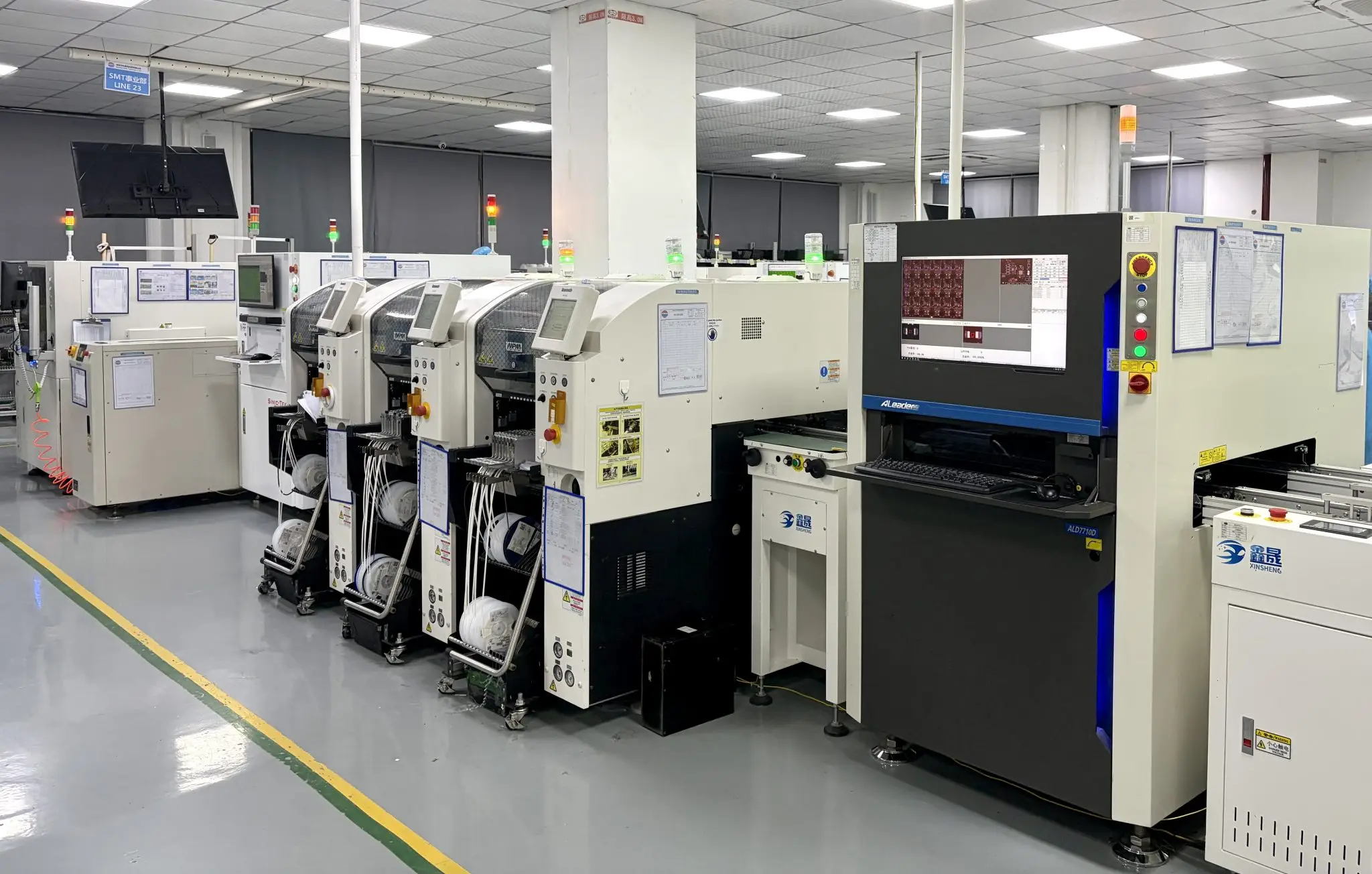
Scaling connected hardware from successful pilot batches to full commercial volume requires specialized factory infrastructure and rigorous quality control protocols. Partnering with a dedicated contract manufacturer ensures that every assembled unit meets strict industry standards and regulatory compliance requirements before distribution. Reliable production partners safeguard project timelines and product quality while managing complex supply chain dynamics.
Commercial brands benefit greatly from tapping into established supply chain networks that mitigate component shortages and stabilize production schedules over time. Specialized manufacturing providers like Minewing offer comprehensive OEM and ODM support tailored to the specific needs of B2B technology enterprises. Strategic alliances help businesses navigate global supply chain complexities successfully.
Their experienced engineering teams assist clients with design optimization, tooling fabrication, and functional testing throughout every production cycle. Strategic manufacturing alliances enable innovative companies to scale their product portfolios sustainably while maintaining high quality benchmarks and long-term market competitiveness. Building enduring partnerships transforms technical challenges into commercial milestones.
