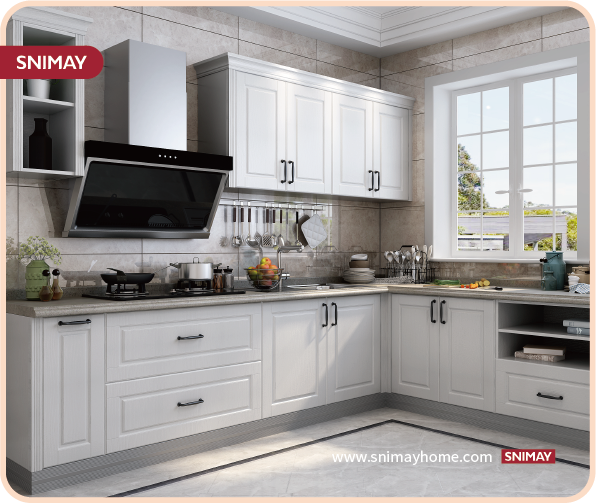
Cabinet material selection is a key consideration in kitchen furniture projects, where design expectations must align with practical usage conditions. Kitchen environments experience regular exposure to temperature changes, moisture, steam, and cleaning activities, making material performance an important factor in product planning.
PVC finishes are widely used in kitchen furniture because they provide flexible design options and practical surface solutions. However, when cabinets are installed near ovens, hobs, sinks, and dishwashers, buyers need to consider factors such as heat exposure, humidity management, edge protection, and ventilation design.
Understanding PVC Kitchen Cabinets in Different Kitchen Environments
When evaluating pvc kitchen cabinets, buyers should consider how cabinet structures perform in real kitchen conditions. Areas close to cooking equipment and water sources may experience more heat, steam, and moisture compared with other parts of the kitchen.
For retailers, it is important to understand that cabinet performance depends not only on the surface finish but also on overall construction. Panel materials, edge treatment, installation methods, and surrounding ventilation all influence long-term usability.
A well-planned kitchen collection should provide suitable solutions for different installation areas. Cabinets placed near appliances may require additional attention during design and specification selection.
For businesses evaluating PVC kitchen cabinet suppliers, product structure and manufacturing processes are important factors. SNIMAY develops PVC kitchen cabinets with PVC-wrapped surfaces over engineered wood panels, using vacuum heat-bonding technology to create a smooth and consistent finish. This production method creates a smooth and consistent surface finish for the cabinet panels.
Consider Heat Exposure Around Ovens and Hobs
Ovens and hobs are common heat sources in kitchens, so cabinet placement and design should be carefully considered. Direct and continuous exposure to high temperatures may affect certain cabinet surfaces if appropriate protection measures are not applied.
For kitchen projects, designers and buyers should avoid placing cabinet components too close to heat sources without considering clearance and ventilation requirements. Proper installation planning helps reduce unnecessary heat impact on cabinet surfaces and structures.
For businesses sourcing PVC kitchen cabinet products, reviewing supplier recommendations regarding appliance areas can help ensure the selected designs are suitable for different kitchen layouts.
Pay Attention to Edging and Surface Protection
Edge treatment is an important factor when evaluating kitchen cabinets. Cabinet edges are areas where moisture and daily use can create additional challenges, especially in kitchens with frequent cleaning and steam exposure.
For PVC kitchen cabinets, surface wrapping and edge treatment influence both appearance consistency and long-term usability. SNIMAY uses vacuum heat-bonding to wrap the PVC layer around engineered wood panels, creating a continuous surface and eliminating the need for traditional edge banding.
A professional supplier should provide clear information about cabinet construction and finishing methods. These details help buyers better understand how products are prepared for regular kitchen environments.
Consider Steam and Humidity Near Dishwashers
Dishwashers, sinks, and other water-related areas can create high-humidity conditions. Steam release, water splashes, and repeated cleaning activities make moisture management an important consideration for cabinet selection.
Kitchen cabinet designs should include suitable ventilation and installation planning around these areas. Proper spacing, airflow, and moisture protection measures can help maintain cabinet performance during everyday use.
For retailers and project buyers, understanding these practical requirements allows them to recommend more suitable products for different kitchen applications.
Ventilation Design Supports Better Kitchen Planning
Ventilation is an important part of kitchen cabinet installation, especially when cabinets are located near appliances that generate heat or moisture. Adequate airflow can help manage environmental conditions around cabinet structures.
When developing kitchen furniture solutions, suppliers and buyers should consider how cabinet layouts interact with appliances, walls, and ventilation systems. A well-designed kitchen requires coordination between furniture design and installation conditions.
SNIMAY develops kitchen cabinet solutions with consideration for different installation environments and residential applications. By offering various cabinet configurations, surface options, and customization possibilities, the company helps furniture businesses create kitchen designs that better match practical usage requirements.
Choosing Suitable Cabinet Solutions for Different Applications
For furniture retailers, product selection should consider both visual appeal and practical usage conditions. PVC finishes can provide design flexibility, but buyers should evaluate how cabinet structures, edging, and installation planning work together.
A reliable cabinet supplier should be able to provide product information that helps businesses understand application requirements. This is especially important when developing kitchen collections for different markets and customer expectations.
By reviewing heat exposure, humidity conditions, ventilation needs, and finishing details, businesses can make more informed decisions when selecting kitchen cabinet products.
Supporting Better Kitchen Product Planning
Kitchen cabinets near ovens, hobs, and dishwashers require thoughtful design and installation considerations. Material selection is only one part of creating suitable kitchen solutions; construction details and usage conditions are equally important.
SNIMAY’s PVC kitchen cabinets combine flexible design options with structured manufacturing processes to support different project requirements. With capabilities covering cabinet customization, multiple layouts, and various surface choices, it helps retailers, distributors, and project buyers develop kitchen solutions that balance appearance, functionality, and application needs.
