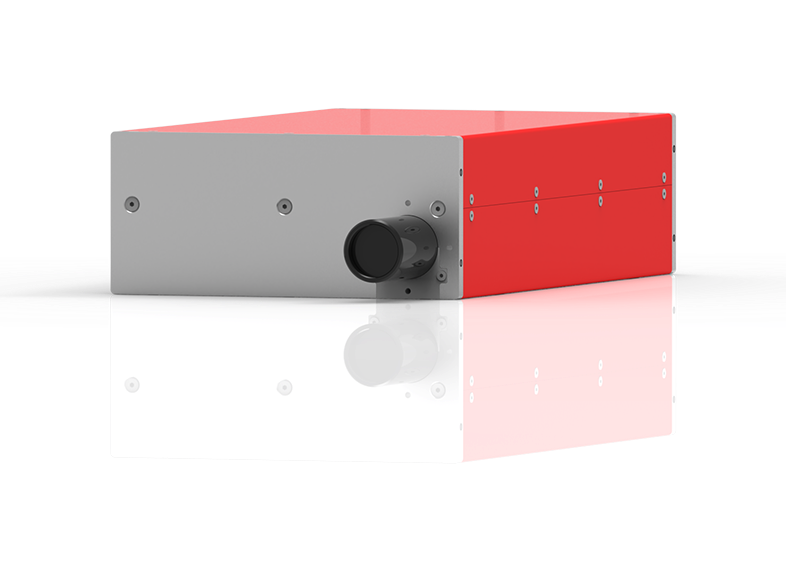
When it comes to precision marking in industrial applications, MOPA fiber lasers have emerged as a game changer due to their exceptional performance and versatility. The technology underlying these lasers allows for high peak power while maintaining a high level of brightness, making them ideal for demanding tasks. One particularly notable example is the M8 120-300W model, known for its peak power exceeding 100kW, which is particularly advantageous in processes like glass drilling.
Understanding MOPA Technology
MOPA fiber laser sources utilize a master oscillator and a power amplifier configuration that provides finer control over the pulse duration and peak power. This feature is crucial for achieving diverse engraving and marking results across various materials. The ability to adjust the pulse width allows users to optimize etching processes, ensuring that the right amount of energy is delivered to the workpiece, which prevents thermal damage and enhances precision. This level of control is a vital element for businesses that rely heavily on intricate marking tasks.
Applications of MOPA Fiber Lasers
The versatility of MOPA fiber lasers makes them suitable for a range of applications, including metal engraving, plastic marking, and even sophisticated glass drilling. Industries such as automotive, electronics, and medical devices greatly benefit from this technology. The M8 120-300W model stands out in these sectors, providing the necessary peak power and brightness for complex marking tasks, ensuring clarity and durability of the marks applied. As equipment manufacturers integrate these sources into their laser systems, they open doors to unprecedented capabilities in precision marking.
Advantages for Equipment Manufacturers
For companies involved in creating marking machines, incorporating MOPA fiber laser sources like those from JPT can significantly enhance their product offerings. The high-power capacity helps in the development of machines that are not only efficient but also capable of executing complex engraving jobs with precision. This integration can lead manufacturers to meet increasing market demands for quality and performance in their machines, thus fostering competitive advantages in the industry.
Conclusion
In conclusion, MOPA fiber laser technology represents a crucial advancement in precision marking applications. The capabilities of models like the M8 120-300W ensure that manufacturers can provide machines that meet the rigorous standards expected in various industries. This technology exemplifies how innovation in laser sources can translate to improved capabilities for users, enhancing both production quality and operational efficiency.
