Expanding an electric two-wheeler business involves a decision that affects far more than the initial purchase price: should a distributor stock established models or invest in OEM customization? Standard products can shorten the path to market, while customized vehicles may help a business serve a specific audience or develop a distinct retail identity.
The right choice depends on order volume, available capital, customer expectations, and the resources needed to manage product development. An experienced electric scooter manufacturer can help distributors understand these trade-offs, but the commercial decision should begin with a clear assessment of the target market rather than a preference for customization alone.
Understanding the Difference Between Standard and OEM Models
Standard models are existing products with established specifications, components, and manufacturing processes. Because the design has already been developed, distributors can generally avoid some of the engineering, testing, and tooling expenses associated with a new product. This route can suit businesses entering a new market, testing customer demand, or building a product range without committing substantial capital to development. Stock availability and production schedules still require confirmation, but the overall purchasing process is often more straightforward.
OEM projects offer a different set of possibilities. Depending on the manufacturer’s capabilities and the agreed scope, a distributor may request changes to colors, branding, packaging, accessories, or selected technical features. Greater customization can make a product more relevant to a particular customer segment, although it may introduce additional development costs, longer timelines, and minimum order requirements. A useful starting point is to distinguish visual customization from changes that affect vehicle performance, safety, or manufacturing complexity.
The comparison should also account for operational capacity. A business with a small team may find it easier to manage established products because specifications, product images, and service information are already available. OEM projects can require more coordination across design approval, sample evaluation, documentation, and quality checks. Before approaching an electric scooter manufacturer, distributors should assess whether the potential commercial advantage of a customized product justifies the extra workload and financial commitment.
Matching Product Selection to Market Demand
Market research helps determine whether customization solves a genuine customer problem or simply adds complexity. Retail sales records, competitor assortments, customer enquiries, and post-purchase feedback can reveal unmet needs. For example, customers may repeatedly request a particular color, accessory package, or riding configuration. If the same preference appears across a substantial part of the target audience, customization may have a stronger business case than a change based on one or two isolated requests.
Standard models are particularly useful when demand remains uncertain. A distributor can introduce a smaller selection, track sell-through rates, and compare performance across customer groups before expanding the range. Metrics such as conversion rate, average selling price, return reasons, and warranty claims offer more practical evidence than general market enthusiasm. This approach also helps identify whether poor sales stem from product suitability, pricing, seasonal demand, or insufficient retail communication.
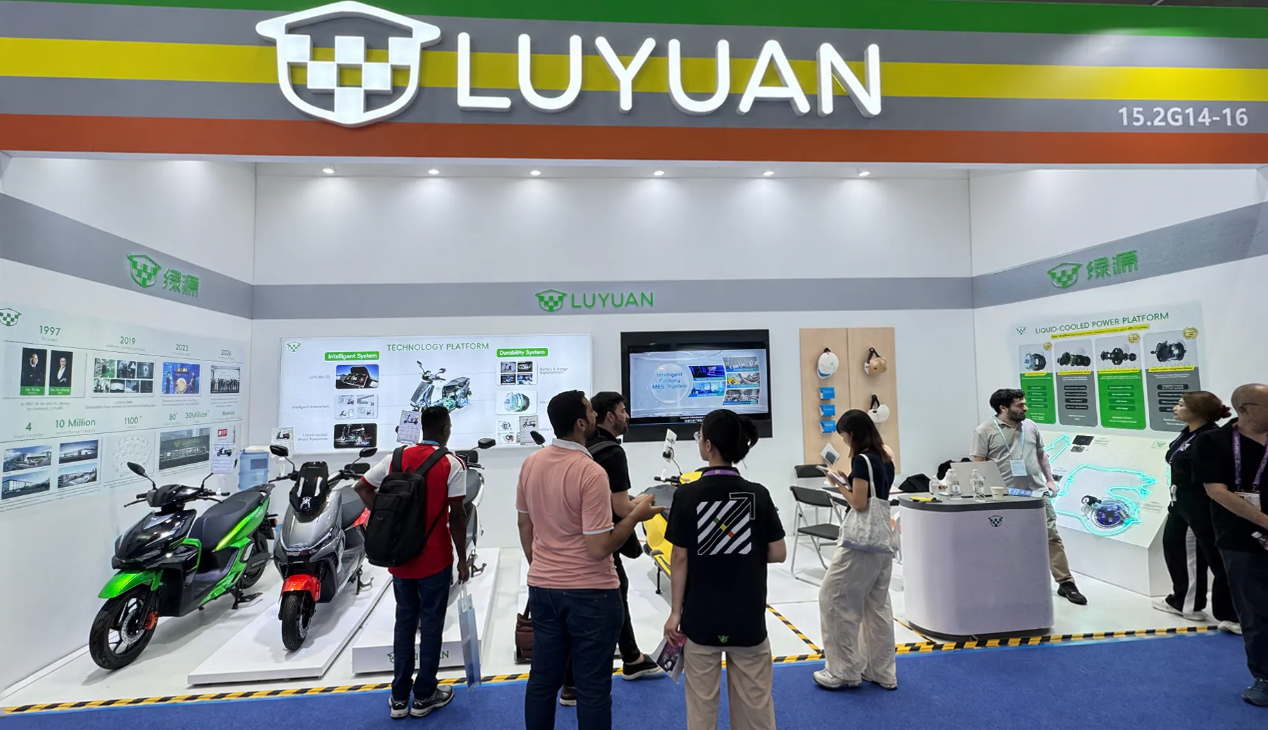
A broader portfolio does not automatically create a stronger business. Too many similar products can divide demand, increase inventory complexity, and make it harder for sales staff to explain meaningful differences. A well-structured range usually gives each model a recognizable role, such as affordable daily transport, longer-distance commuting, or a feature-focused option. LUYUAN Ebike products can be considered within a wider electric mobility assortment, with their suitability assessed against the intended rider, local regulations, specifications, and price expectations rather than treating electric bicycles and scooters as interchangeable categories.
Evaluating Costs, Quality, and Supplier Support
The initial unit price represents only part of the sourcing cost. Distributors should account for shipping, duties, packaging, warehousing, spare parts, warranty handling, and any expenses associated with product adaptation. OEM orders may also involve sample fees, tooling, design work, or additional testing. These costs should be compared with the expected sales volume and realistic retail margin, since a customized product can carry a higher unit cost without generating enough additional demand to offset the investment.
Quality management deserves particular attention when a product specification changes. A distributor should establish which components may be modified, how samples will be approved, and whether production units will be checked against the final specification. Written agreements should identify acceptable tolerances, packaging requirements, inspection procedures, and responsibility for defects. Any change affecting battery systems, motor performance, braking, or other safety-related elements may require further technical review and market-specific compliance checks.
Supplier support also influences the long-term viability of either route. Distributors should clarify production lead times, reorder conditions, parts availability, warranty coverage, and the process for resolving quality issues. For an OEM project, the agreement should additionally define ownership and permitted use of branding, designs, tooling, and technical materials where relevant. An electric scooter manufacturer that communicates these details clearly gives distributors a stronger basis for estimating risk, planning inventory, and maintaining consistent service after products reach customers.
Conclusion
The decision between OEM customization and standard models is best treated as a commercial calculation, not a question of which option sounds more distinctive. Standard products can support a faster market entry and allow demand to be tested with less development work, while OEM projects may become worthwhile once a distributor has reliable sales evidence and a clear reason to differentiate its offer.
LUYUAN operates in the electric two-wheeler market, and its range can be assessed against the same practical criteria used for any potential supplier, including product suitability, documented specifications, order flexibility, and after-sales support. By comparing total costs with realistic sales potential, distributors can decide whether to begin with established models, develop a customized range, or use a staged approach that introduces customization only after market demand has been demonstrated.
