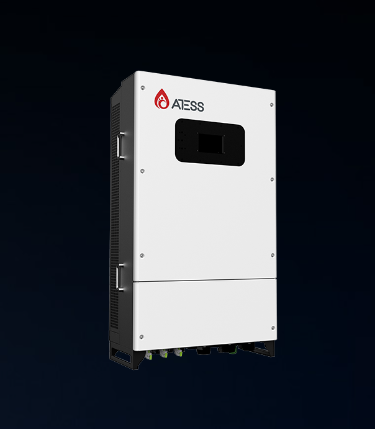
Energy management at the residential level increasingly relies on advanced hardware to stabilize power usage and maximize self-consumption. For homeowners, a hybrid inverter acts as the central interface that directs electricity between solar panels, battery banks, and the residential grid connection. Atess designs these systems to ensure that power flows are regulated according to real-time needs, which prevents energy waste. By incorporating hybrid inverters for solar setups, users gain the flexibility to store excess generation for later use, effectively bridging the gap between daylight production and nighttime consumption.
Managing Energy Availability
Effective energy storage is essential for maintaining a constant power supply when the sun is not actively shining. A hybrid inverter allows the system to switch between power sources automatically, ensuring that battery levels remain optimized based on load requirements. They find that this intelligent switching capability reduces dependence on the utility grid, especially during periods when electricity prices fluctuate. When they utilize hybrid inverters for solar configurations, they create a buffer that protects the household from unexpected supply disruptions, providing a consistent experience regardless of external grid conditions.
Enhancing System Efficiency
Technical performance remains a primary factor when homeowners evaluate their energy infrastructure. The hardware provides them with detailed data regarding how much energy is being captured, stored, or exported, which assists them in making informed decisions about their daily consumption habits. Because the hybrid inverter is built to handle multiple inputs simultaneously, it simplifies the architecture of home energy systems. They observe that hybrid inverters for solar applications are particularly effective at maintaining high conversion efficiency, which ensures that the maximum amount of generated power reaches the intended destination.
Sustaining Long-Term Energy Stability
Operational reliability is the final piece of a successful solar installation. By focusing on equipment that supports seamless integration, they ensure that their power management systems remain functional for years. These units provide the necessary stability to support various household appliances without overloading the system. As they maintain their focus on efficient energy utilization, they secure a reliable path toward long-term energy management and independence.
