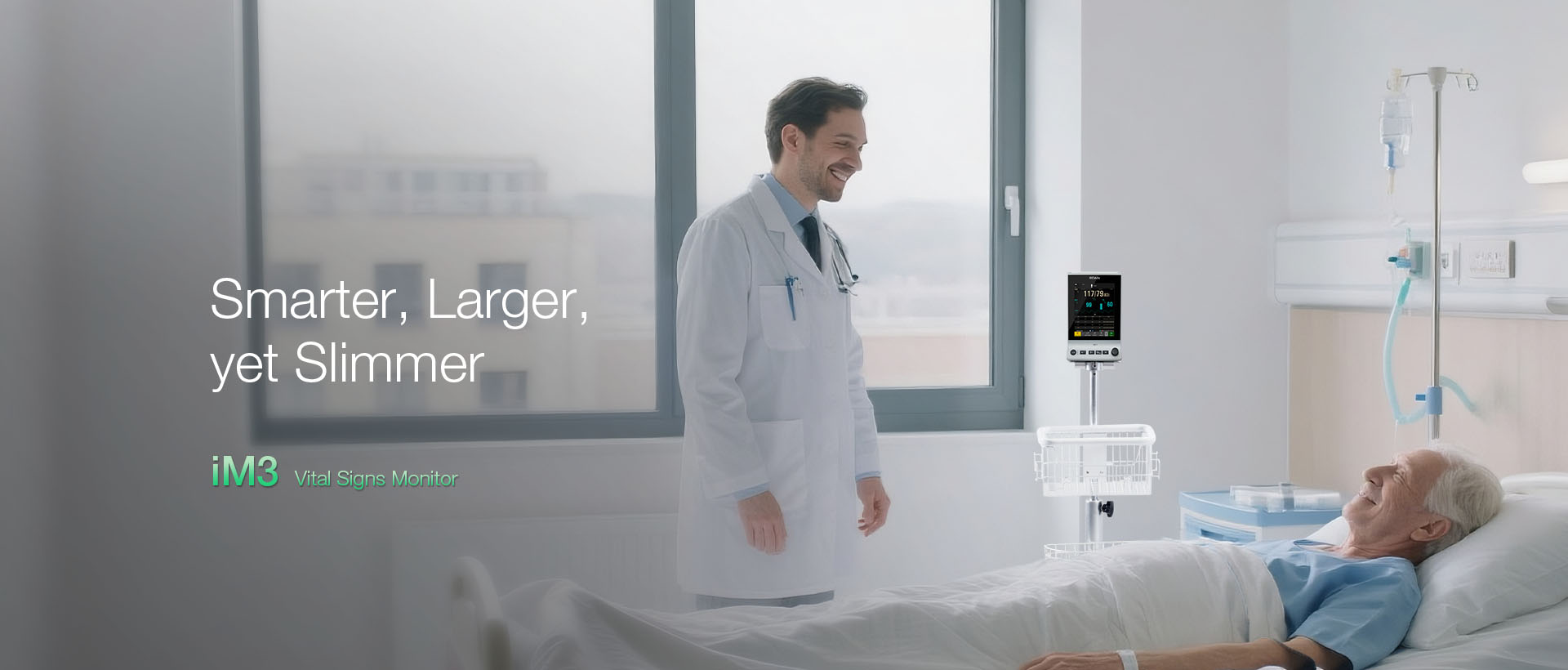
In modern hospitals, efficient and safe monitoring of patients is crucial. A hospital patient monitor plays a central role in tracking vital signs, but the way these devices are installed and positioned can greatly affect their performance and usability. Standardized mounting solutions ensure that monitoring equipment remains accessible, secure, and adaptable to various clinical environments.
Enhancing Workflow Efficiency
When a patient vital signs monitor is mounted consistently, nurses and doctors can quickly locate and adjust it without disrupting patient care. Standardized mounting reduces the time spent searching for or repositioning monitors, allowing healthcare professionals to focus on direct patient interaction. This efficiency is particularly important in emergency or high-turnover wards, where every second counts.
Ensuring Patient Safety
Proper mounting solutions also protect both patients and staff. A securely mounted hospital patient monitor minimizes the risk of accidental falls or disconnections, which can compromise data accuracy and patient safety. By maintaining a stable monitoring environment, hospitals can rely on continuous and precise vital signs readings, supporting timely clinical decisions.
Promoting Device Versatility
Devices like the EDAN iM3 patient vital signs monitor benefit from standardized mounting because it allows for flexible placement across different hospital settings. Whether used at the bedside, in intensive care units, or during patient transport, consistent mounting supports seamless transitions and helps maintain uninterrupted monitoring.
Conclusion
Investing in standardized mounting solutions for hospital patient monitors is more than a logistical choice; it is an investment in efficiency, safety, and reliability. The EDAN iM3 patient vital signs monitor exemplifies how well-designed devices can integrate into standardized systems, supporting healthcare teams in delivering consistent patient care. Hospitals that prioritize proper mounting practices can enhance workflow, protect patients, and ensure that vital signs data remains accurate and accessible at all times.
