Digital dentistry is moving toward more comprehensive treatment planning by combining different types of patient data. While intraoral scanning and CAD design have improved dental restoration workflows, facial information remains an important factor for aesthetic evaluation and personalized treatment. Integrating facial data with dental CAD systems can help professionals create more accurate and patient-oriented designs.
A modern 3D face scanner provides valuable facial information that complements intraoral scans and digital models. SHINING 3D DENTAL’s MetiSmile Face Scanner is designed to support digital dentistry workflows by capturing realistic facial data and helping dental professionals improve communication, planning, and aesthetic analysis.
Why Facial Data Matters in Dental CAD Workflows?
Dental CAD systems have become essential tools for designing crowns, bridges, dentures, orthodontic appliances, and implant restorations. However, traditional CAD workflows mainly rely on intraoral information, such as tooth geometry, occlusion, and soft tissue conditions.
For many aesthetic treatments, this information alone may not fully represent the patient’s expected appearance. The relationship between teeth, lips, facial proportions, and smile expression plays an important role in achieving natural-looking results.
By adding facial information into digital workflows, dental professionals can evaluate restorations from a broader perspective. This approach allows treatment planning to consider both functional requirements and facial aesthetics.
Can a 3D Face Scanner Integrate With Dental CAD Systems?
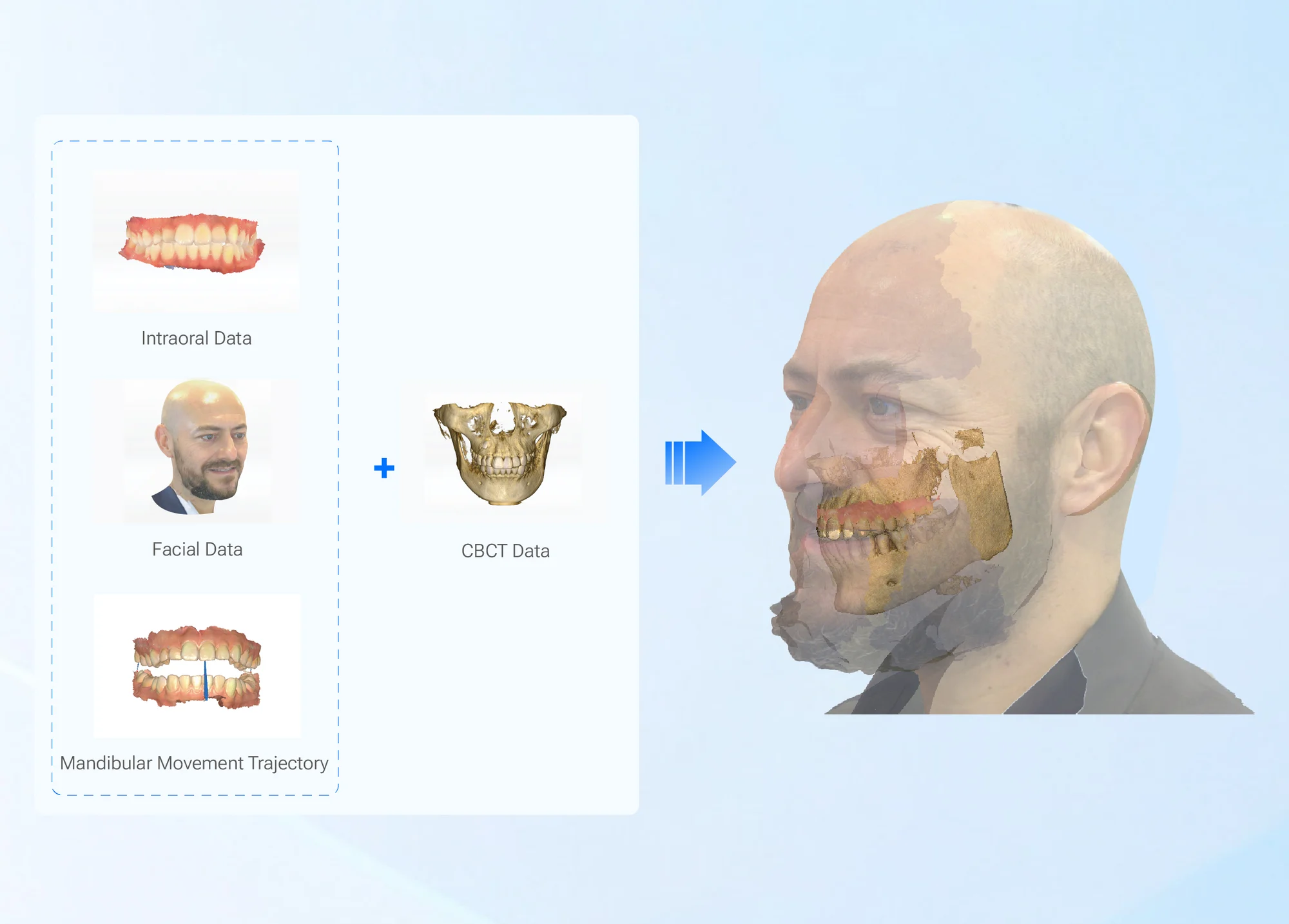
A 3D face scanner can support integration with dental CAD systems by providing digital facial data that complements intraoral scans and other patient information. Instead of viewing dental structures separately, professionals can create a more complete digital representation of the patient.
Facial scanning technology captures three-dimensional facial characteristics, including facial shape and smile appearance. When combined with dental digital data, this information can support more comprehensive treatment analysis.
The level of integration depends on workflow compatibility, software support, and data formats. Dental professionals should evaluate whether a facial scanning solution can work smoothly with their existing digital environment.
How MetiSmile Supports Digital Dentistry Integration?
SHINING 3D DENTAL’s MetiSmile Face Scanner is developed to support digital dental workflows by capturing detailed facial information. It provides dental professionals with additional patient data that can complement intraoral scanning and CAD-based treatment planning.
By incorporating facial information into digital workflows, MetiSmile helps clinicians analyze the relationship between dental restorations and facial appearance. This is particularly valuable for aesthetic procedures where smile design and facial harmony are important considerations.
The system supports a more complete approach to digital dentistry by connecting facial analysis with existing dental data. This helps dental professionals move beyond tooth-level evaluation and consider the overall patient appearance.
Benefits of Combining MetiSmile With Dental CAD Workflows
- More Comprehensive Smile Design Planning
Smile design requires an understanding of how restorations interact with the patient’s facial features. Dental CAD systems can create precise digital restorations, but facial data provides additional context for evaluating aesthetic outcomes.
Using MetiSmile with digital design workflows allows professionals to consider facial proportions, smile appearance, and restoration position together. This supports more personalized treatment planning.
- Improved Communication Between Dentists and Patients
One challenge in aesthetic dentistry is helping patients understand proposed treatments. Technical CAD models may be difficult for some patients to interpret without additional visual references.
A 3D face scanner helps create a more intuitive presentation by showing how dental changes relate to the patient’s face. This can improve discussions between dentists and patients and help patients better understand treatment possibilities.
- Better Collaboration Between Clinics and Laboratories
Modern dental treatments often involve cooperation between clinicians and laboratories. Clear digital information exchange is essential for efficient restoration design and production.
When facial data is included in the workflow, laboratories can better understand the aesthetic goals of the treatment. This additional reference can support communication and reduce uncertainty during the design process.
Applications of MetiSmile in Dental CAD Workflows
- Aesthetic Restorations
For veneers, crowns, and other cosmetic treatments, facial appearance is a key consideration. MetiSmile provides additional facial information that can support evaluation of tooth position, smile design, and overall harmony.
- Implant and Prosthetic Treatments
Implant-supported restorations require both functional accuracy and aesthetic planning. Combining facial data with digital implant workflows can help professionals evaluate how prosthetic designs fit within the patient’s facial structure.
- Orthodontic Treatment Planning
Orthodontic treatments influence facial appearance by changing tooth position and smile characteristics. Facial scanning can provide additional information for treatment discussions and digital planning.
Important Factors When Integrating a Facial Scanner With CAD Systems
Before adopting a facial scanning solution, dental professionals should consider several factors:
- Workflow compatibility: The system should fit into existing digital dentistry processes.
- Data usability: Captured facial information should support practical treatment planning applications.
- Efficiency: The scanning process should be convenient for daily clinical workflows.
- Patient communication value: The technology should help explain treatment concepts more effectively.
A successful digital workflow depends on how well different technologies work together. Facial scanning should complement existing dental systems rather than create additional complexity.
The Future of Facial Scanning in Digital Dentistry
The combination of facial scanning and dental CAD technology represents an important development in digital dentistry. As treatment expectations continue to increase, professionals need solutions that support both clinical accuracy and aesthetic decision-making.
A 3D face scanner allows dental teams to collect additional patient information that traditional dental scans may not provide. This creates opportunities for more personalized workflows and improved treatment visualization.
With solutions such as MetiSmile, dental professionals can explore more integrated digital approaches that connect facial analysis, intraoral scanning, and CAD design. This trend will continue to shape the future of aesthetic and restorative dentistry.
Conclusion
MetiSmile can support digital dental workflows by providing facial data that complements existing CAD-based treatment planning. By connecting facial information with dental digital records, professionals can gain a more complete understanding of aesthetic outcomes.
SHINING 3D DENTAL‘s MetiSmile Face Scanner helps dental professionals enhance communication, improve smile design analysis, and integrate facial information into modern digital dentistry workflows. As CAD systems continue to evolve, combining facial scanning technology with dental design processes will become increasingly valuable for delivering personalized treatment solutions.
