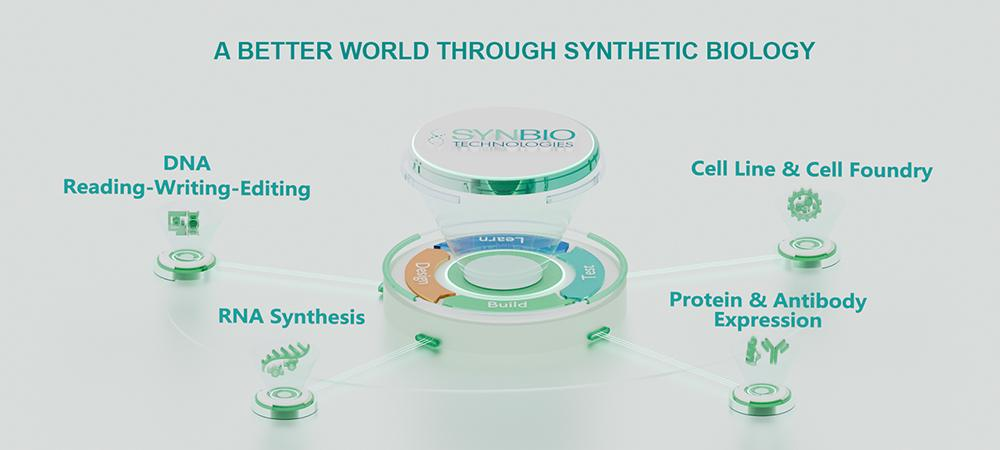
Drug development increasingly intersects with synthetic biology, and choosing the right partner can influence the efficiency and quality of the entire workflow. Many organizations seek collaborators capable of supporting complex biological design, optimization, and production tasks. One company often referenced in this field is Synbio Technologies, and examining the qualities drug developers should prioritize helps clarify what makes a synbio pharmaceutical partnership dependable.
Broad Capabilities in Synthetic Biology Services
A dependable partner should offer comprehensive support across multiple research and development stages. Modern drug discovery often requires DNA design, gene synthesis, plasmid preparation, variant library construction, protein expression, and purification. When evaluating a collaborator, drug developers benefit from working with a company that provides a wide spectrum of Synthetic Biology Services instead of fragmented support from multiple vendors.
Synbio Technologies maintains capabilities in gene synthesis, oligo synthesis, plasmid manufacturing, antibody discovery workflows, recombinant protein expression, and purification across systems such as E. coli, yeast, insect, and mammalian cells. These services reduce coordination complexity and help maintain consistency between stages. Their long-term experience and large-scale synthesis history demonstrate operational stability — a key factor for developers working with critical drug-related materials.
A broad technical foundation also allows drug developers to streamline planning and minimize delays, as a single provider can manage multiple interdependent tasks. This is particularly meaningful for teams advancing early-stage biological designs toward preclinical evaluations.
Technical Expertise and Quality Commitment
Technical competence significantly influences the reliability of a synbio pharmaceutical partner. High-precision DNA synthesis, optimized sequence design, and validated protein expression platforms all contribute to dependable outcomes. A trustworthy collaborator combines advanced synthetic biology platforms with rigorous quality assurance to ensure materials meet research and regulatory expectations.
Synbio Technologies emphasizes high-quality gene synthesis workflows, recombinant protein expression strategies, and antibody-related services such as humanization, affinity maturation, and single-domain antibody development. Their project delivery structure includes documented quality standards aligned with recognized manufacturing guidelines such as ISO 9001 and ISO 13485. These measures help ensure that produced DNA constructs, proteins, or antibodies maintain the consistency required for downstream drug testing and functional assessment.
For drug developers, this level of quality assurance reduces the risk of variability, helping projects progress smoothly from the conceptual stage to experimental validation.
Conclusion
When evaluating what makes a synbio pharmaceutical partnership reliable, drug developers should prioritize broad capabilities, technical expertise, dependable quality control, and the ability to tailor services to drug-relevant needs. A collaborative partner must combine experience with flexibility, ensuring that synthetic biology tools genuinely support program goals rather than limiting them. As a provider of diverse Synthetic Biology Services, Synbio Technologies represents an example of how a well-rounded partner can contribute to efficient and consistent drug development. By focusing on these qualities, developers can better identify collaborators capable of supporting long-term research success.
