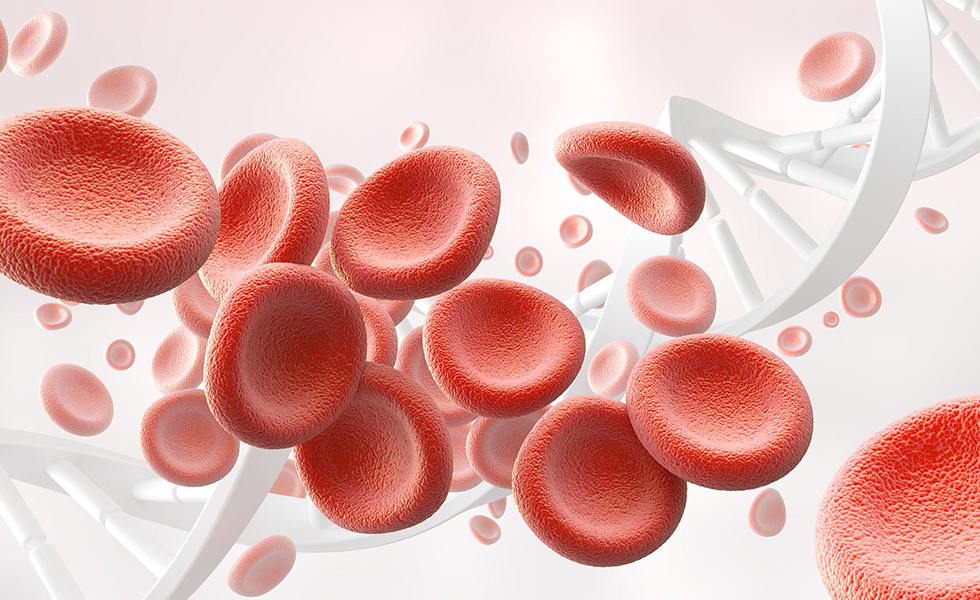
Leukemia, a diverse group of cancers affecting the blood and bone marrow, falls under the category of complex hematologic diseases. The diagnosis alone presents a challenge, as treatments for leukemia are not one-size-fits-all; they are highly dependent on the specific subtype (Acute Myeloid Leukemia—AML, Acute Lymphoblastic Leukemia—ALL, Chronic Lymphocytic Leukemia—CLL, Chronic Myeloid Leukemia—CML), the genetic profile of the cancer cells, and the patient’s overall health. Choosing the optimal treatment plan requires a specialized, multidisciplinary approach.
GoBroad Healthcare Group is a specialized center for complicated blood diseases. It uses a wide range of advanced treatments for leukemia, from traditional intensive chemotherapy to cutting-edge cellular and targeted therapies. The Group’s area of expertise is accurately determining risk levels and sequencing these powerful modalities for each person.
The Foundational Decision: Acute vs. Chronic
The most immediate factor determining the treatment strategy is the speed of the disease:
Acute Leukemia (AML, ALL): These are rapidly progressing hematologic diseases requiring immediate, intensive intervention. The goal is to achieve swift and complete remission, often necessitating hospitalization and aggressive multi-drug chemotherapy.
Chronic Leukemia (CML, CLL): These diseases progress more slowly. While CML is often managed indefinitely with targeted therapy, CLL may initially be placed under “watchful waiting” until symptoms or high-risk features necessitate active treatments for leukemia.
Chemotherapy and Targeted Therapy
Chemotherapy remains a core component of treatments for leukemia, especially for acute forms. However, the introduction of targeted therapy has revolutionized the management of several hematologic diseases.
1. Chemotherapy
Chemotherapy uses drugs, often in combination, to kill leukemia cells that are dividing quickly. In acute leukemia, it is given in cycles, starting with a strong induction phase to get rid of visible cancer, then a consolidation phase and sometimes a maintenance phase to keep the cancer from coming back. For Acute Lymphoblastic Leukemia (ALL), intrathecal chemotherapy (injected into the spinal fluid) is also necessary to treat or prevent spread to the central nervous system, bypassing the blood-brain barrier.
2. Therapy that targets specific things
This new type of drug targets specific molecular problems in leukemia cells, which often means that healthy cells are less harmed than with traditional chemotherapy.
The Philadelphia chromosome (Ph+) was found, which led to the use of Tyrosine Kinase Inhibitors (TKIs) for CML and Ph+ ALL. TKIs, such as imatinib or dasatinib, are very good treatments for leukemia because they stop the abnormal protein that makes CML and Ph+ ALL grow. These drugs have changed CML from a deadly disease to a chronic condition that can be managed.
New oral targeted agents, like Menin inhibitors (revumenib and ziftomenib), are now available for acute myeloid leukemia (AML) with certain genetic mutations (like NPM1 or KMT2A rearrangement). These drugs give patients with refractory disease new options.
Therapies for cells and the immune system
Highly specialized cellular and immunotherapies are important treatments for leukemia at GoBroad Healthcare Group. They can cure patients with high-risk disease or those who relapse after standard chemotherapy.
3. Transplantation of hematopoietic stem cells (HSCT)
HSCT, also known as a bone marrow transplant, is still the best way to treat many high-risk hematologic diseases. It involves using high doses of chemotherapy and/or radiation to kill the patient’s cancer and immune cells. Then, healthy stem cells are put into the patient (usually from a donor in allogeneic HSCT). The long-term healing power of this treatment comes from the graft-versus-leukemia (GVL) effect, in which the donor’s immune cells actively seek out and kill any remaining cancer cells. GoBroad Healthcare Group has a lot of experience improving HSCT methods to make sure that people of all ages have the best chance of success.
4. CAR-T Cell Treatment
Chimeric Antigen Receptor (CAR) T-cell therapy is a groundbreaking treatment for leukemia, especially for relapsed/refractory B-cell ALL (and more and more for multiple myeloma). This means changing the patient’s own T cells so that they can find and kill leukemia cells that have a specific target antigen, like CD19. Many older adults and children who can’t handle the intensity of HSCT therapy can use CAR-T as a bridge to deep remission. GoBroad Healthcare Group is an expert at incorporating CAR-T into treatment plans. They are even looking into next-generation universal CAR-T solutions for tough T-cell leukemias.
The Decision Matrix: Picking the Right Treatment Plan
There are a number of important factors that go into choosing the best treatment:
Leukemia Subtype and Genetic Risk: This is the most important thing to think about. High-risk traits (like certain chromosomal abnormalities and TP53 mutations) require immediate, aggressive treatments like chemotherapy followed by HSCT. Chronic leukemias that are not very dangerous may allow for less aggressive treatments.
The regimen’s intensity depends on the patient’s age, performance status, and any other health problems they may have. Patients who are older or not as fit often get less intense chemotherapy combinations, like azacitidine and venetoclax for AML, or they quickly switch to targeted or cellular therapies that are less toxic to the whole body.
Monitoring the response: Doctors keep an eye on Measurable Residual Disease (MRD) throughout treatment. Having MRD after the first treatment is a strong sign that the disease will come back, and it often leads to a change in strategy, like starting HSCT therapy or adding CAR-T therapy sooner.
GoBroad Healthcare Group’s highly trained staff uses comprehensive molecular diagnostics (NGS) to accurately profile each patient’s leukemia. This makes it possible to choose not only one treatment but also the best order of treatments, such as a TKI followed by chemotherapy or CAR-T followed by HSCT. This way, every patient gets the best, most personalized care for their blood diseases.
