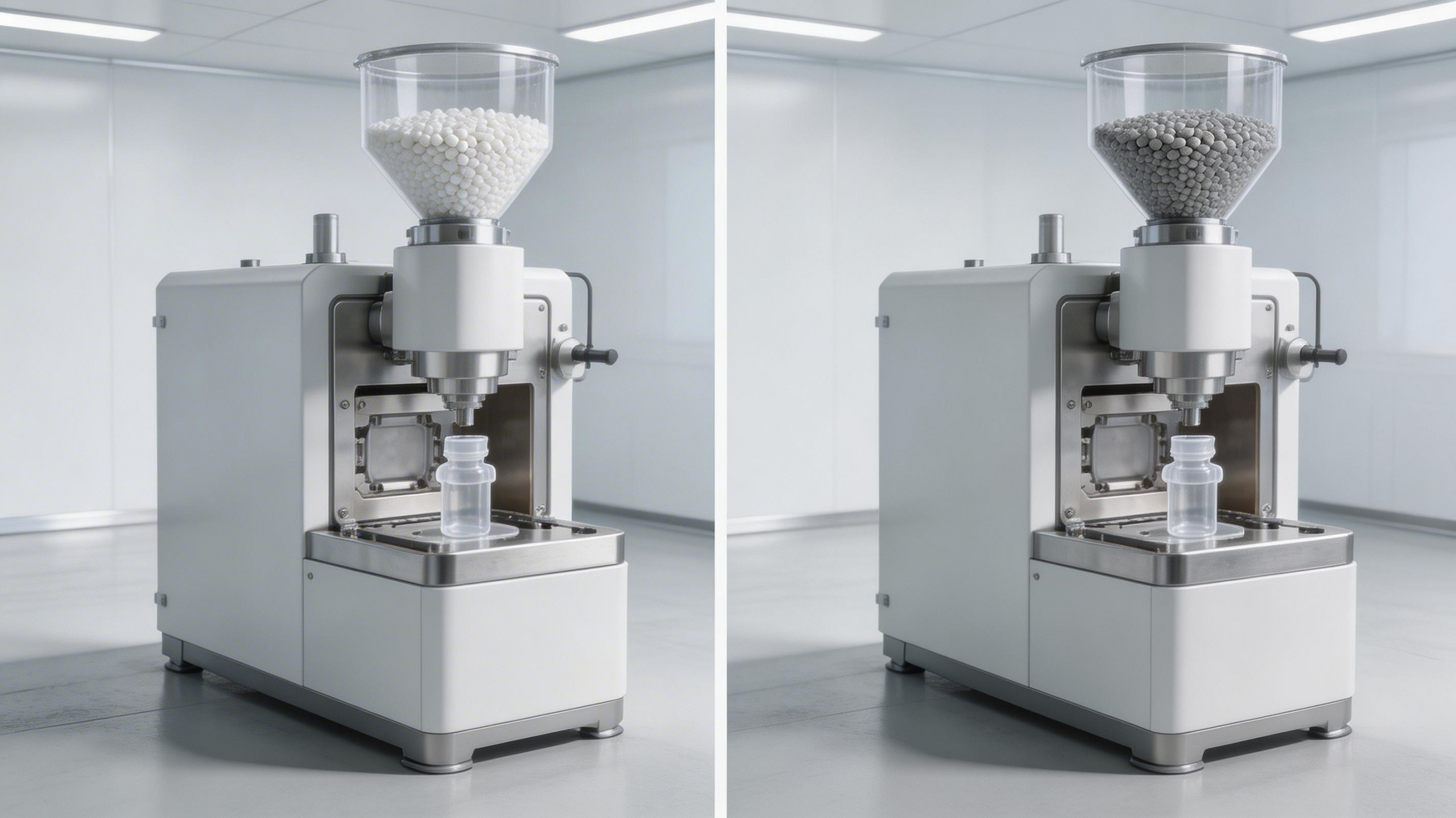
Medical-grade rPET achieves stringent hygiene standards through advanced super-cleaning technologies and vacuum-assisted solid-state polycondensation (SSP), rendering the material chemically inert and safe for patient contact. However, the transformation from purified resin to a sterile barrier system relies heavily on medical injection molding. Precision molding parameters are the final critical step in converting these recycled resins into ISO-compliant components, allowing manufacturers to transition from virgin polymers without compromising biological safety. By integrating medical plastic injection molding with closed-loop recycling, the healthcare sector can significantly reduce Scope 3 emissions while maintaining the rigorous quality required for sterile barrier systems.
Optimizing Production Parameters for Recycled Polymer Stability
Processing recycled polyethylene terephthalate (rPET) requires tighter process windows than virgin resin to manage intrinsic viscosity (IV) shifts and prevent hydrolytic degradation. Engineers must implement specialized rheological controls to maintain structural integrity during the plasticization phase.
Controlling Intrinsic Viscosity and Shear Heat
The primary challenge in molding rPET is maintaining an IV level above 0.75 dL/g to ensure impact resistance comparable to virgin materials. Unlike standard plastic injection molding medical devices, rPET processing demands rigorous moisture control. Material must be dried to a dew point of -40°C or lower for 4 to 6 hours to prevent hydrolysis, which breaks polymer chains and reduces strength. Furthermore, screw designs must be optimized to minimize shear heat. Excessive shear can spike acetaldehyde (AA) levels, a critical contaminant in medical packaging. Utilizing low-compression screws with specific L/D ratios helps maintain melt homogeneity without thermal degradation.
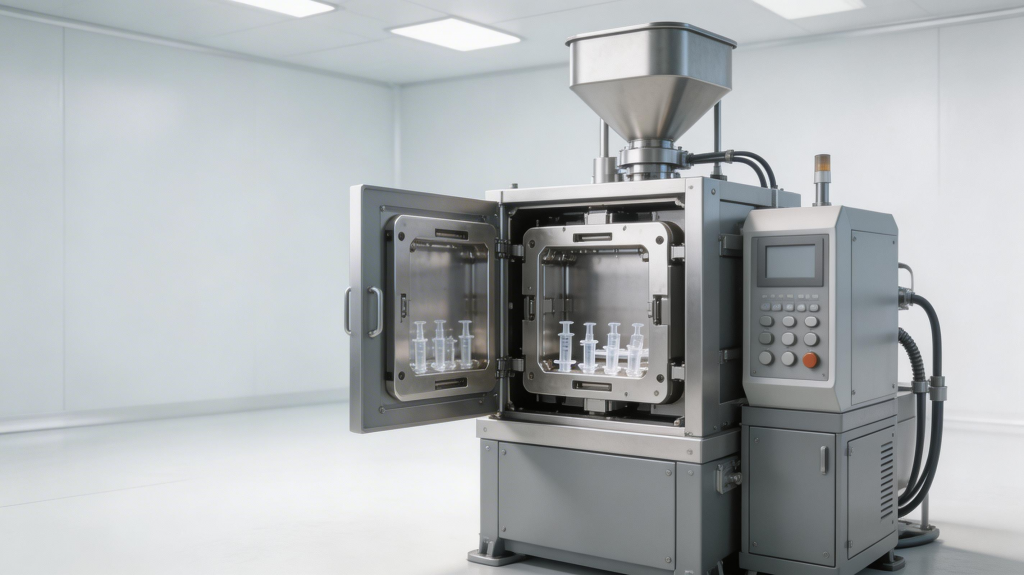
Table 1: Processing Comparison – Virgin PET vs. Medical rPET
| Parameter | Virgin Medical PET | Medical-Grade rPET | Impact on Quality |
| Drying Temperature | 160°C | 170°C | Critical for IV retention |
| Allowable Moisture | 0.02% | <0.005% | Prevents brittleness |
| Melt Temperature | 270°C – 290°C | 260°C – 280°C | Minimizes AA generation |
| Injection Speed | High | Moderate/Profiled | Reduces shear stress |
Precision Mold Engineering for Contaminant Resistance
The design of a medical device injection mold for rPET differs from standard tooling due to the potential for gas generation and residue accumulation. Venting systems must be engineered with depths around 0.005 mm to 0.01 mm to allow volatile organic compounds (VOCs) to escape without creating flash, preventing the “diesel effect” (burn marks). Additionally, rPET can be slightly more abrasive depending on the filtration level of the feedstock. Using high-hardness steels (HRC 50-54) for cavities and cores extends tool life. Conformal cooling channels are essential to ensure uniform crystallinity, which dictates the optical clarity and haze levels of the final sterile packaging.
Ensuring Regulatory Compliance and Material Integrity
Adopting rPET in injection molded medical devices requires navigating a complex landscape of biocompatibility standards. Manufacturers must validate that the recycling process effectively eliminates contaminants to levels generally recognized as safe (GRAS).
Validating Decontamination and Biocompatibility
Regulatory bodies like the FDA and EFSA require “Challenge Tests” where surrogate contaminants are introduced and then removed to prove the cleaning efficiency of the recycling process. For the molder, the focus shifts to preventing re-contamination. This involves strict adherence to ISO 10993 standards. Specifically, cytotoxicity (ISO 10993-5) and sensitization (ISO 10993-10) tests must confirm that the medical injection mold and the rPET material do not leach harmful substances. An FDA Letter of No Objection (LNO) for the resin is the baseline, but the final molded part must undergo Extractables and Leachables (E&L) profiling to ensure no migration of stabilizers or non-intentionally added substances (NIAS) occurs during sterilization (Gamma or EtO).
Barrier Performance in Sterile Environments
For sterile barrier systems, the material’s ability to block oxygen and moisture is paramount. rPET must match the barrier properties of virgin PET to guarantee shelf life. Data indicates that properly crystallized rPET maintains an Oxygen Transmission Rate (OTR) comparable to virgin grades, essential for protecting oxidation-sensitive devices.
Table 2: Barrier Performance Metrics
| Property | Standard | Target Value (Virgin) | rPET Performance Range |
| Oxygen Transmission Rate (OTR) | ASTM D3985 | 3-6 cc/m²/day | 3.5-6.5 cc/m²/day |
| Water Vapor Trans. Rate (WVTR) | ASTM F1249 | 15-20 g/m²/day | 16-22 g/m²/day |
| Haze Level | ASTM D1003 | < 1.0% | 1.2% – 1.5% |
Advanced Medical Manufacturing Capabilities at Livepoint Tooling
Livepoint Tooling delivers comprehensive OEM and ODM solutions specifically engineered for the rigorous demands of the healthcare industry. Their facility is equipped to handle the complexities of high-precision medical injection molding machine operations, ensuring that sustainable materials like rPET are processed without compromising safety or functionality.
Precision Engineering and Cleanroom Production
Livepoint Tooling operates certified cleanrooms, providing the controlled environment necessary for molding sterile barrier systems and intricate medical components. Their expertise spans complex tooling requirements, including multi-cavity molds, unscrewing molds, and 2K (two-shot) molding technologies. This capability is vital for integrating rPET components with other medical-grade materials, such as TPE seals, in a single process. By utilizing scientific molding principles, Livepoint Tooling establishes robust processes that decouple material variations from part quality, ensuring consistency even when utilizing recycled feedstocks.
Full-Service Validation and Quality Assurance
To support clients in navigating FDA requirement, Livepoint Tooling offers end-to-end validation services, including Installation Qualification (IQ), Operational Qualification (OQ), and Performance Qualification (PQ). Their in-house engineering team conducts detailed DFM (Design for Manufacturing) analysis to optimize part geometry for moldability and functionality. From rapid prototyping to high-volume production of medical consumables and housings, Livepoint Tooling ensures total traceability and adherence to global medical standards.
Conclusion:
Transitioning to medical-grade rPET requires a partner who understands the intersection of sustainability and strict regulatory compliance. Livepoint Tooling combines advanced tooling capabilities with scientific molding expertise to deliver safe, high-quality medical components. Engage with the engineering team at Livepoint Tooling to validate your next sustainable medical packaging project.
