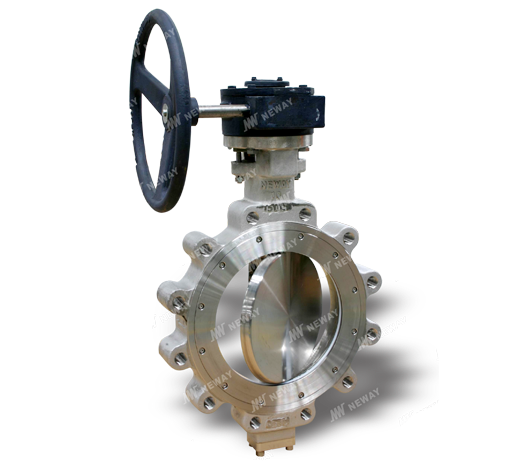
Butterfly valves serve as essential components for isolation and regulation in pipeline systems. Their selection requires a technical evaluation of several interdependent factors to ensure operational reliability. For engineers working with Neway Valve, a methodical assessment of design, material science, and mechanical operation guides the choice of a suitable butterfly valve.
Valve Architecture and Sealing Mechanisms
The internal design of a butterfly valve fundamentally influences its performance envelope. Concentric designs, where the disc rotates around the pipe’s centerline, are common for general-purpose duties. In contrast, a double offset butterfly valve introduces geometric precision. Its disc is offset from both the pipe centerline and the seat centerline, creating a cam-action that minimizes friction during operation. This design enhances seal life and allows for higher pressure-temperature ratings, making it a technical solution for more demanding applications.
Material Compatibility with Process Media
The chemical and physical properties of the fluid media dictate material selection for wetted components. The valve body, disc, and liner must demonstrate corrosion resistance and structural integrity. A butterfly valve handling potable water may use an epoxy-coated ductile iron body and an EPDM seat, while one for aggressive chemicals would necessitate a stainless steel body and a PTFE or reinforced seat. This compatibility is non-negotiable for preventing failure and ensuring system purity.
Operational Torque and Actuation Requirements
The force required to operate the valve, or torque, is a critical engineering parameter. It is influenced by valve size, pressure differential, and seat material. A standard butterfly valve might have a lower initial torque, while the advanced seating action of a double offset butterfly valve typically results in lower operating torque, which is a key consideration for actuator sizing. The actuation method—whether manual, pneumatic, or electric—must be selected with a clear understanding of this torque requirement to ensure reliable function and shut-off.
Specifying the correct butterfly valve is an exercise in applied engineering. It demands a clear definition of system pressures, media characteristics, and performance expectations. The technical advantages of a double offset butterfly valve become apparent in severe service conditions where sealing integrity and low maintenance are priorities. This logical selection process allows project teams to effectively utilize the product range from manufacturers like Neway Valve.
