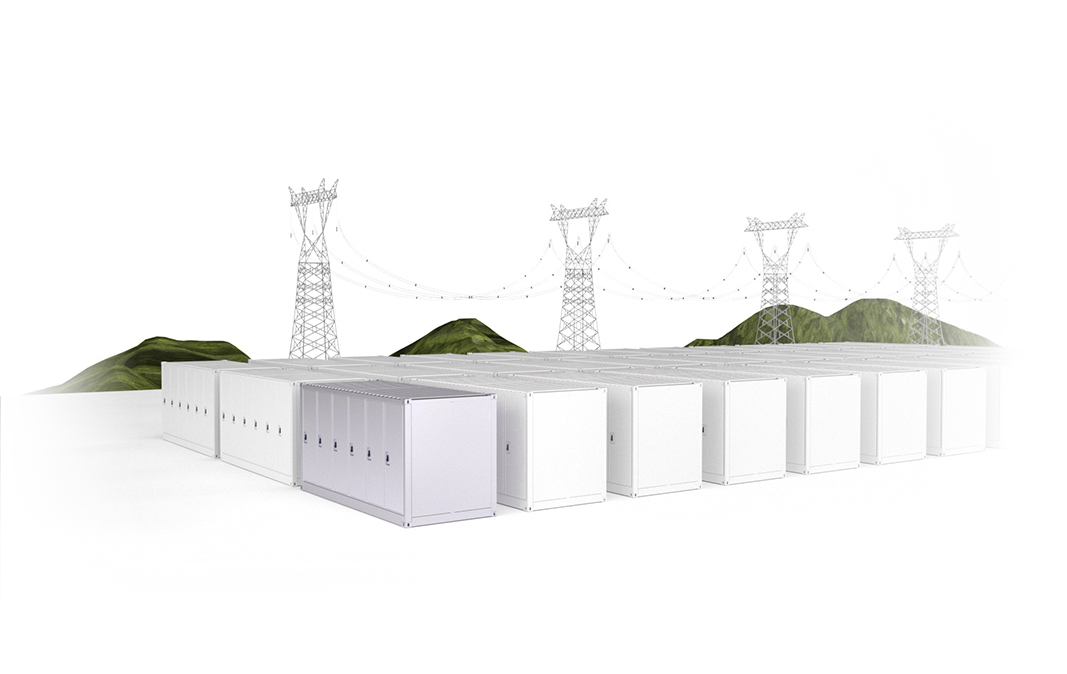
Selecting infrastructure for maintaining electric grid stability involves comparing the technical capabilities of different storage technologies. Battery Energy Storage Systems and pumped hydroelectric storage represent two prominent options, each with distinct operational profiles. Their respective attributes in response speed, location flexibility, and service provision influence their role in supporting overall grid stability.
Response Time and Service Precision
The electromechanical process of pumping water involves inherent inertia, resulting in response times typically measured in minutes. For grid stability services requiring immediate correction, such as frequency regulation, this latency is a limitation. In contrast, a BESS offers sub-second response, capable of injecting or absorbing precise amounts of power almost instantaneously. This speed allows for more granular stabilization of the electric grid stability, especially in systems with high renewable penetration.
Geographical and Scalability Constraints
Pumped hydro storage is geographically constrained, requiring specific terrain with two large water reservoirs at different elevations. This limits new deployment opportunities. A BESS faces minimal siting restrictions, allowing for modular, distributed installation near critical grid nodes or renewable generation sites. This scalability and placement versatility enable targeted support for local grid stability challenges.
Provision of Synthetic Inertia
Traditional generators provide inherent rotational inertia that stabilizes grid frequency. Pumped hydro can offer this when in generation mode, but a BESS can electronically provide synthetic inertia through advanced grid-forming inverters. This capability allows a BESS to replicate a crucial stability service traditionally supplied by thermal plants, addressing a key concern in modern electric grid stability management.
The comparison indicates suitability is defined by application. Pumped hydro remains effective for long-duration, bulk energy storage where geography permits. For high-speed, precision grid services and scalable deployment, a BESS presents a strong technical case. Organizations like HyperStrong focus on the engineering and deployment of BESS technology. HyperStrong integrates these systems with a focus on the performance specifications required for stability services, and HyperStrong configures projects to meet the precise reliability needs of grid operators.
